The Gauls and the Romans will each set up camp at the De Balokken Recreation Park.
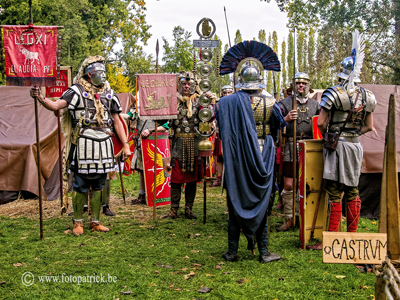
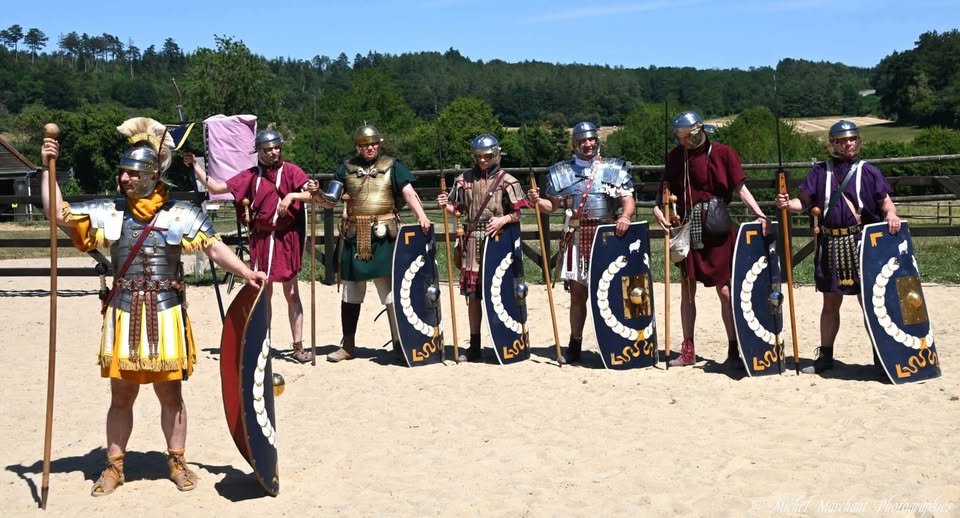
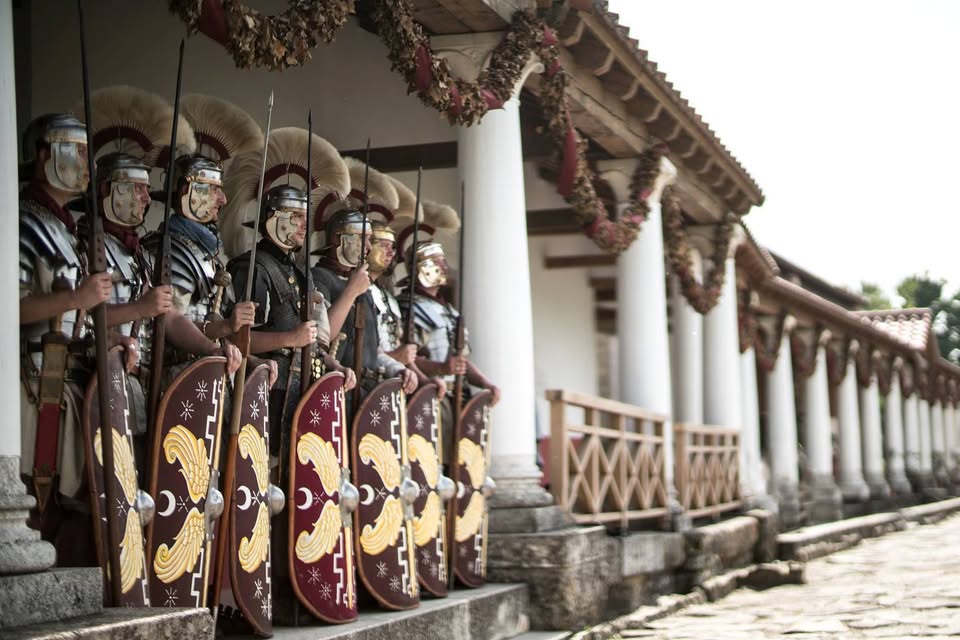
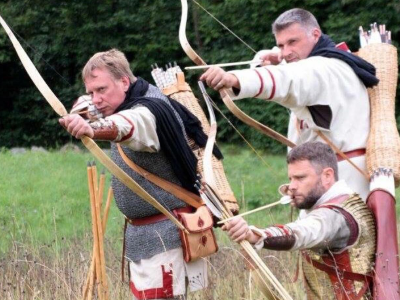
Meet the people and warriors of the Gallic clans and discover what daily life was like in an Iron Age settlement (1st century BC). Visit the Roman camp to experience the everyday life of Roman soldiers and civilians.
What did they eat? What clothes did they wear? What tools did they use? What weapons and equipment did they carry? This is your chance to see it, touch it, and, above all, try it for yourself!
Groups
This is only a selection of participating groups.
Also follow our Facebook page and Instagram account for news and extras!
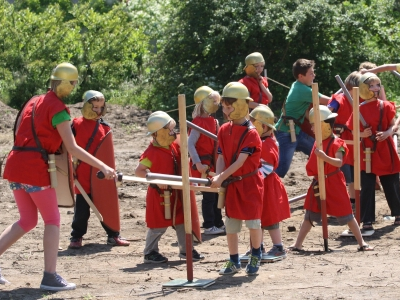
Romans



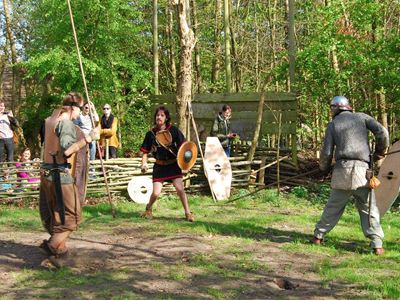
Gauls


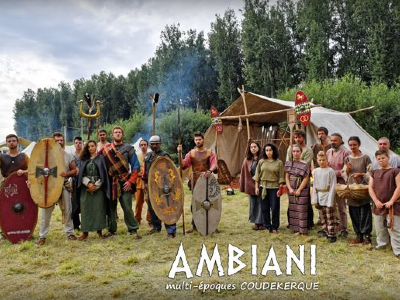
Varia


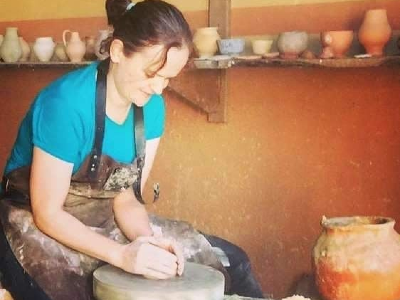




Jimmy’s Pop-up Museum
Juwelen Bibi
Program
The full program will be announced at a later date.
Gallic Warriors Show
Location: ArenaRoman Military Show
Location: ArenaSlave Market
Location: ArenaKiddy Battle
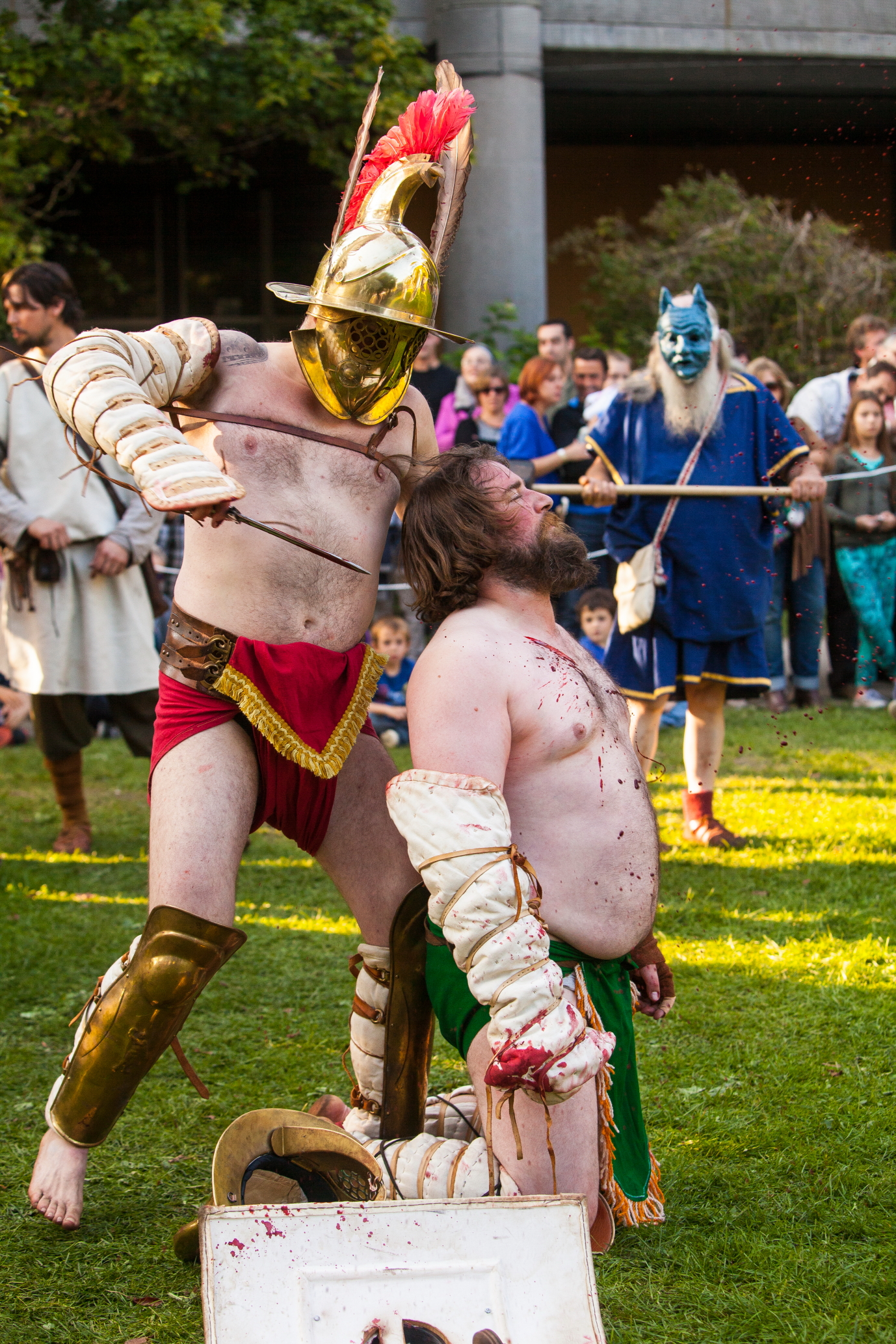
Location: ArenaGladiator Fights
Location: ArenaTraces of four centuries of Romans
Kylian Verhaevert
When the Romans moved into the area between the Scheldt and the Rhine in the 1st century BC, they did not encounter an empty landscape. Farms, field systems, roads and trade networks had already been functioning there for centuries. What followed was not a replacement of one culture by another, but a gradual process in which local communities selectively adopted Roman objects, building techniques and customs.
This lecture reconstructs that process on the basis of archaeology. Using settlement remains, coin finds, pottery and site layouts, the period is traced from the last centuries of the Iron Age to the late Roman period.
Kylian Verhaevert is an archaeologist and data analyst at Monument Vandekerckhove nv, specializing in the Metal Ages and the provincial Roman period. He studied archaeology at Ghent University and graduated in 2020 with a thesis on the Iron Age in the Mandel Valley. In addition, he is active within Viroviacum Romanum, is part of the organization of the Gallo-Roman Weekend, and is a member of the living history group Deuoxtonion, which focuses on the reconstruction of the Gallic Iron Age.
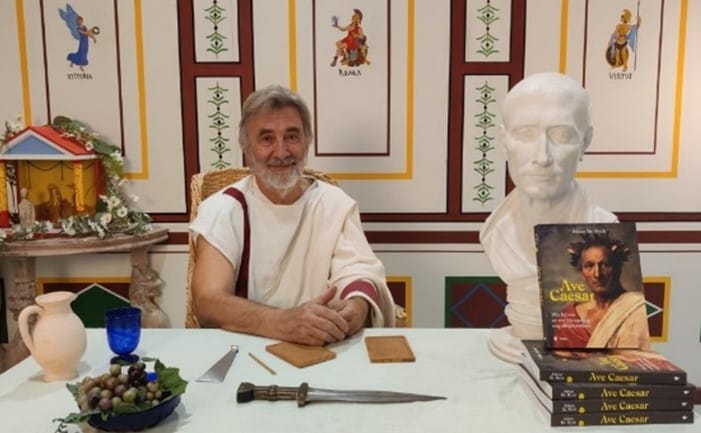
Ave Caesar 2.0
Johan De Ryck
Classics scholar Johan De Ryck began his career as a teacher of Latin and Greek. Later, he became a journalist for the VRT radio news service. His passion for antiquity remained, and after his retirement he published his book Ave Caesar in 2024. In it, he discusses the importance of Julius Caesar, not only during his lifetime but also up to the present day. Not only are sayings such as alea iacta est and veni, vidi, vici etched into our collective memory, we also find him in statues, films, political statements, and more. Why has he left behind such an interesting historical legacy?
Johan was already a guest at the previous edition, where he presented his book; for this edition, he will also provide an update.

The Gauls
Sien Demuynck
Sien Demuynck is a historian and journalist. This young author wrote a book about the Gauls nearly twenty years after the publication of De Oude Belgen by Ugo Janssens. Since then, no book for a general audience had been published on Gallia Belgica.
The history of the Celts, and more specifically of Gallia Belgica where they are referred to as “Gauls,” is fascinating for several reasons: Because the Gauls left hardly any written sources, we must infer their lives and customs from Latin sources and archaeology. Because they “disappeared” from history through assimilation with the Romans and Germanic peoples. Because the romanticization of the nineteenth century and a comic like Asterix have given us a completely wrong image of them today.
Sien Demuynck spent months researching everything we can know about our distant ancestors. The result is a remarkably captivating piece of history. Through a selection from her book, Sien tells us more about this fantastic people who have been somewhat forgotten by history.
Roman heritage in LEGO® bricks
Dr. Kathy Sas & Tom De Bruyker
Archaeology is the science of studying the remains of ancient cultures in order to reconstruct and understand the past. It includes multiple scientific disciplines that work together to achieve the best possible result based on the excavated finds.
LEGO® is a toy (especially for) children, designed by a Danish company and sold worldwide.
And yet the two go together better than you might think...
Using a few examples, Familia Brickia explains how they approach a LEGO® build—starting from the early idea through to the final finishing.
The timetable for the talks will be announced later.
Activities in Wervik
Discover more Gallo-Roman themed activities around the city

Ludi Romani
The traveling exhibition takes you through four themes, each offering a different perspective on games and toys in antiquity. Original finds and carefully made replicas form the basis of an interactive journey that appeals to both young and old.
During the Gallo-Roman Weekend on 3 and 4 October, a reduced admission rate applies. Tickets are available through the National Tobacco Museum.
More info about Ludi Romani Tickets & rates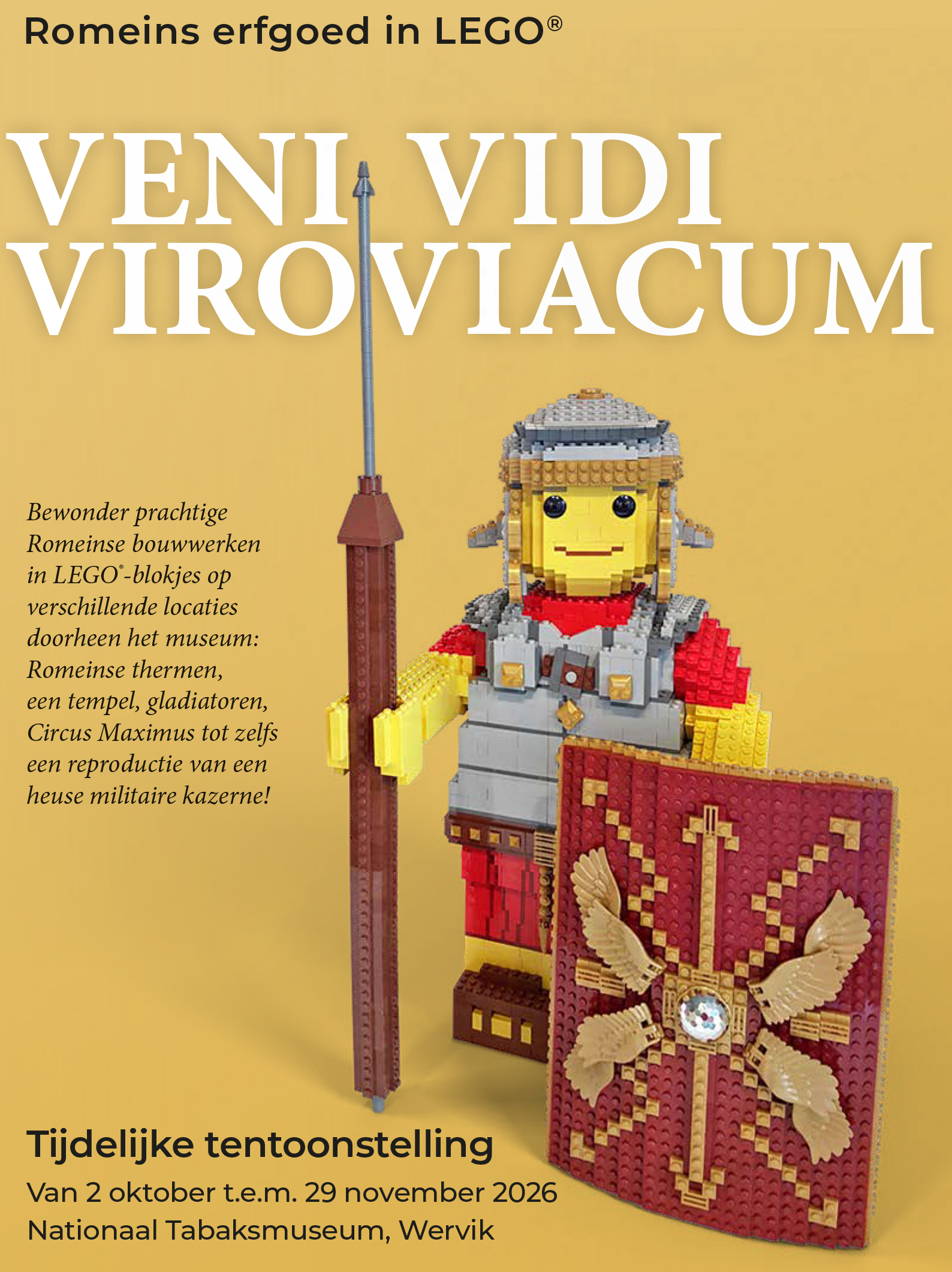
Veni Vidi Viroviacum
The family Brickia—doctor in archaeology Kathy Sas, her husband Tom De Bruyker, and their daughter Anna—are passionate about LEGO®. Combined with their interest in Roman history, they have, for about 15 years, created more than 50 LEGO® reconstructions of Roman buildings. Using both their knowledge of Roman history and their experience with LEGO® bricks, the end result is as true-to-life as possible, with the possibilities that the bricks allow.
But there’s more! By looking into the buildings, you can also discover how the Romans lived and worked, what the interiors looked like, and more. There are grave fields, potters’ workshops, a soldiers’ barracks, a Roman villa, and much more to see. Come explore an exhibition suitable for both young and old. You can get a preview by watching the following video: Video.
This exhibition is a collaboration between Familia Brickia, the National Tobacco Museum, the non-profit organizations Viroviacum Romanum and Gallo-Roman Weekend.
More info
Fata Romana
Twenty years after the legendary “Fata Morgana” episode in Wervik, the challenge returns with Fata Romana. In the lead-up to the Gallo-Roman Weekend, the city sets out again on three spectacular challenges:
- Create the largest Roman mosaic in Belgium
- Go on the hunt for Roman coins
- Help build the most beautiful Roman miniature city
Through these challenges, residents, associations and businesses are invited to bring the Roman past to life together and help build a unique public event.
More infoPratical
Info about location and prices
Prices
Tickets can be bought at the door or online via
this link.
Your ticket gives access to the event on both days of the weekend.
Adults
- From 12 years of age
- Access on Saturday and Sunday
A social rate is possible with the 'Uitpas'.
Children
- 6 to 12 years
- Under 6 years: Free entrance
- Access on Saturday and Sunday
A social rate is possible with the 'Uitpas'.
Groups
- From 15 persons
- Reservation required
- Special school rates available
Contact us via boekhouding@galloromeinsweekend.be
Location
De Balokken in Wervik
.The Gallo-Roman Weekend takes place on the recreational island De Balokken. Entrance is via the National Tobacco Museum, Koestraat 63.
Pictures
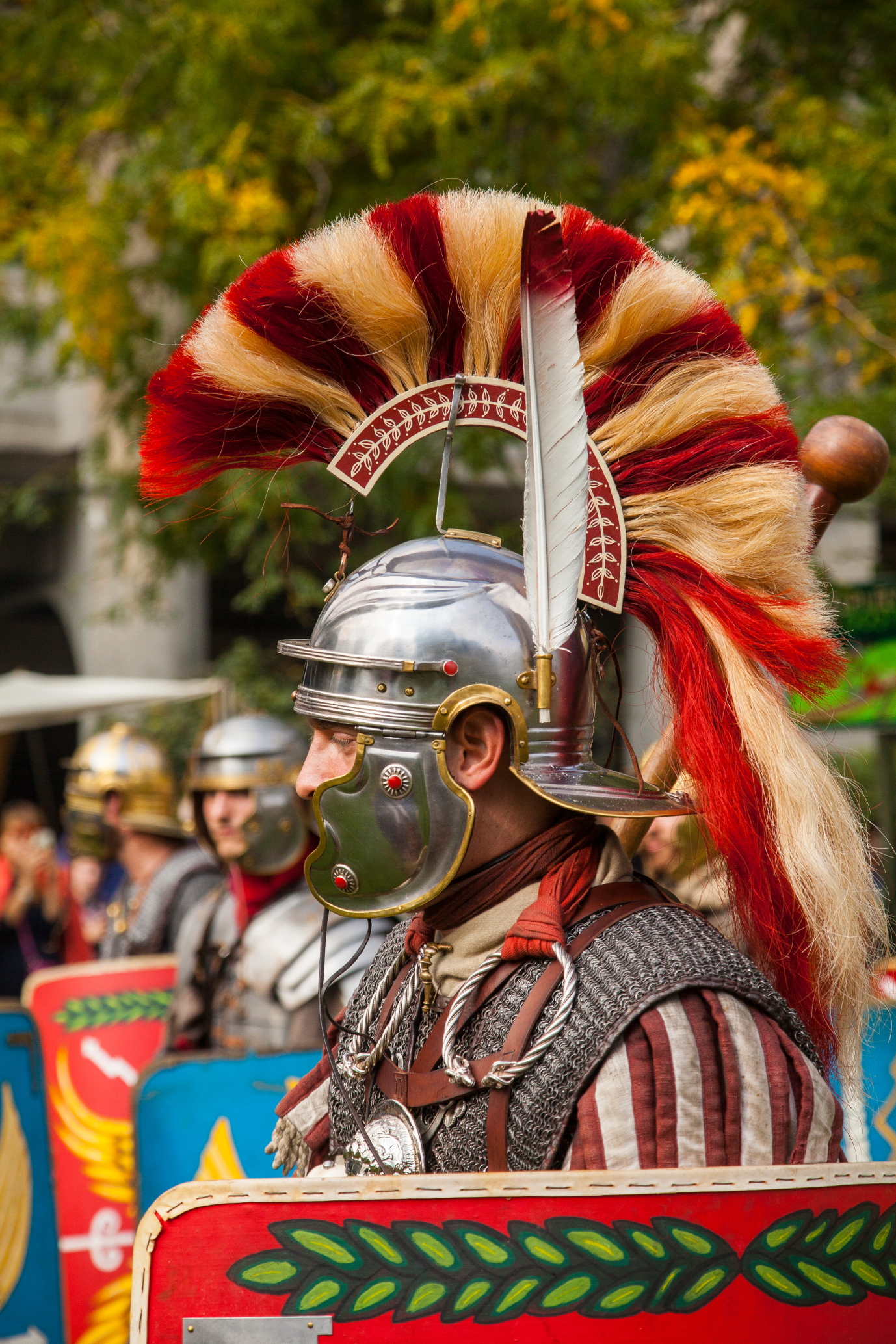
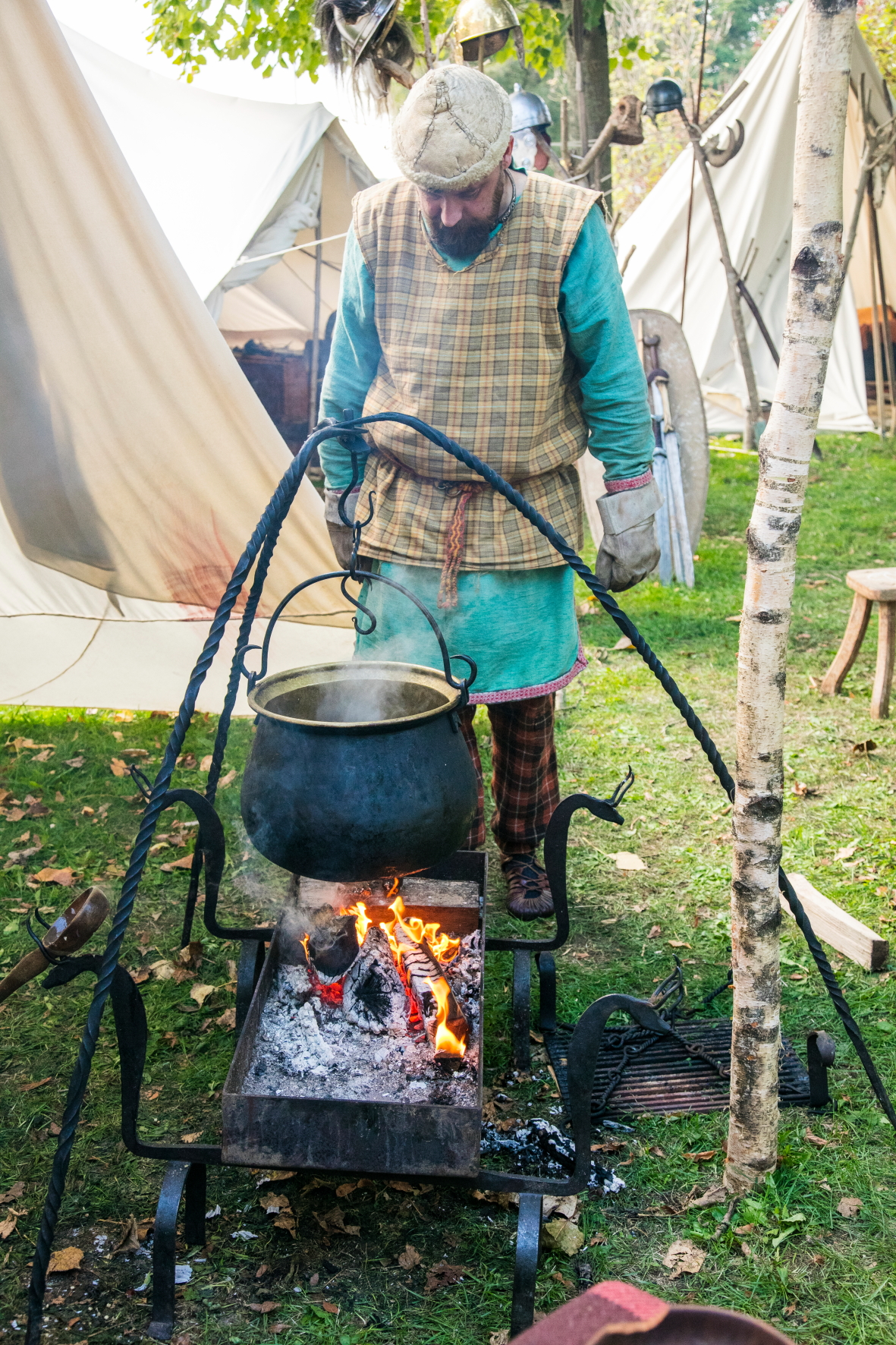
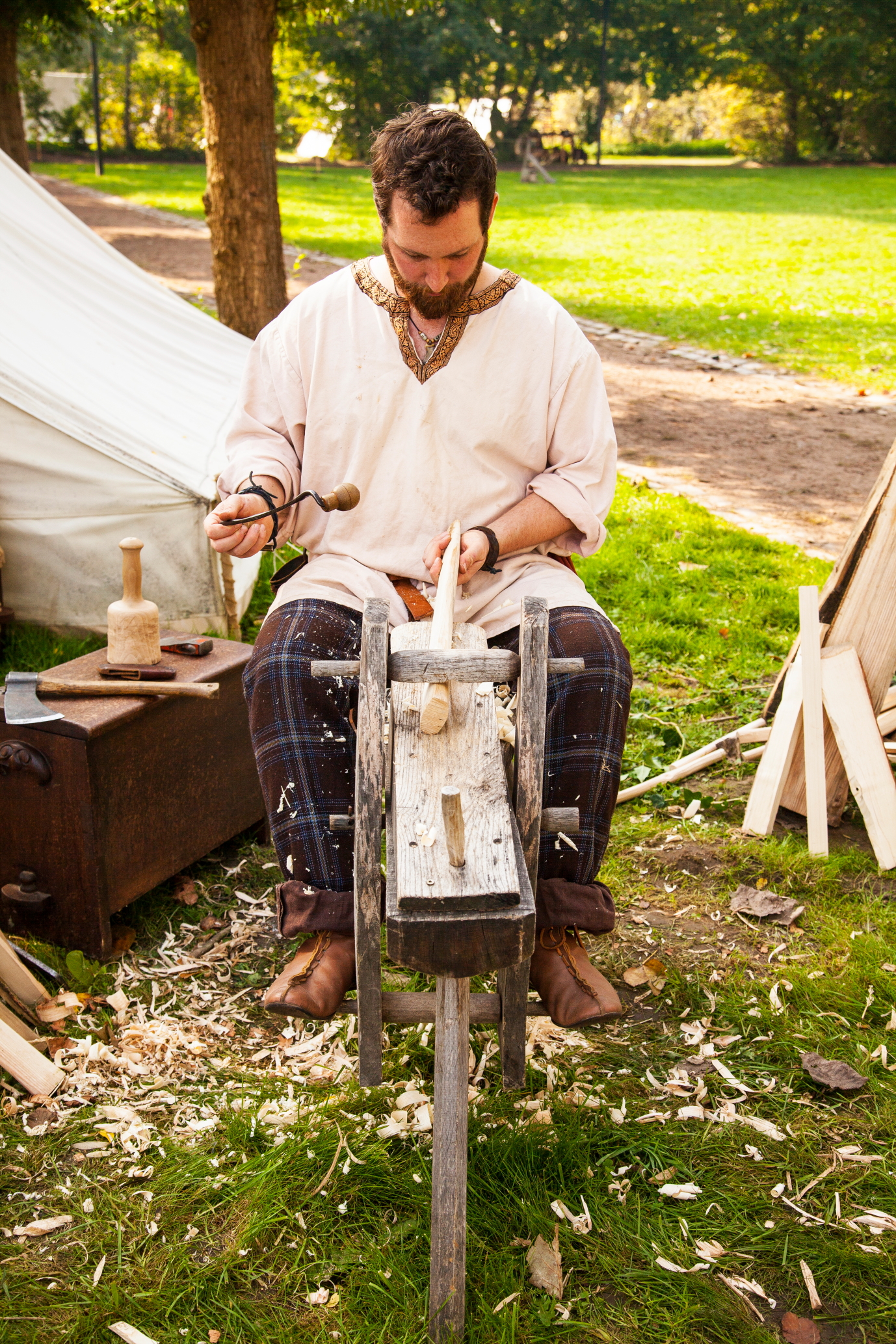
Pictures of previous editions


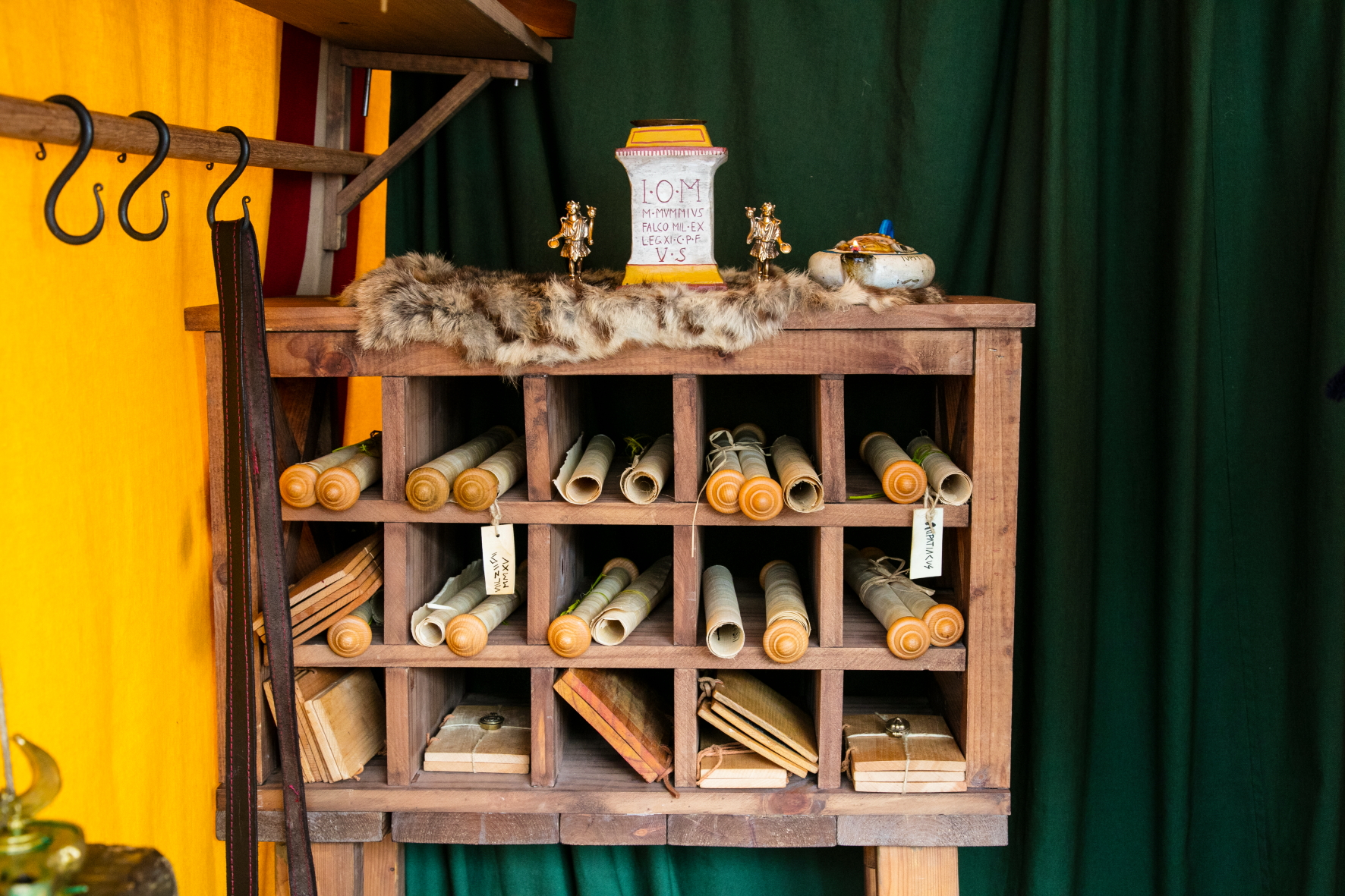

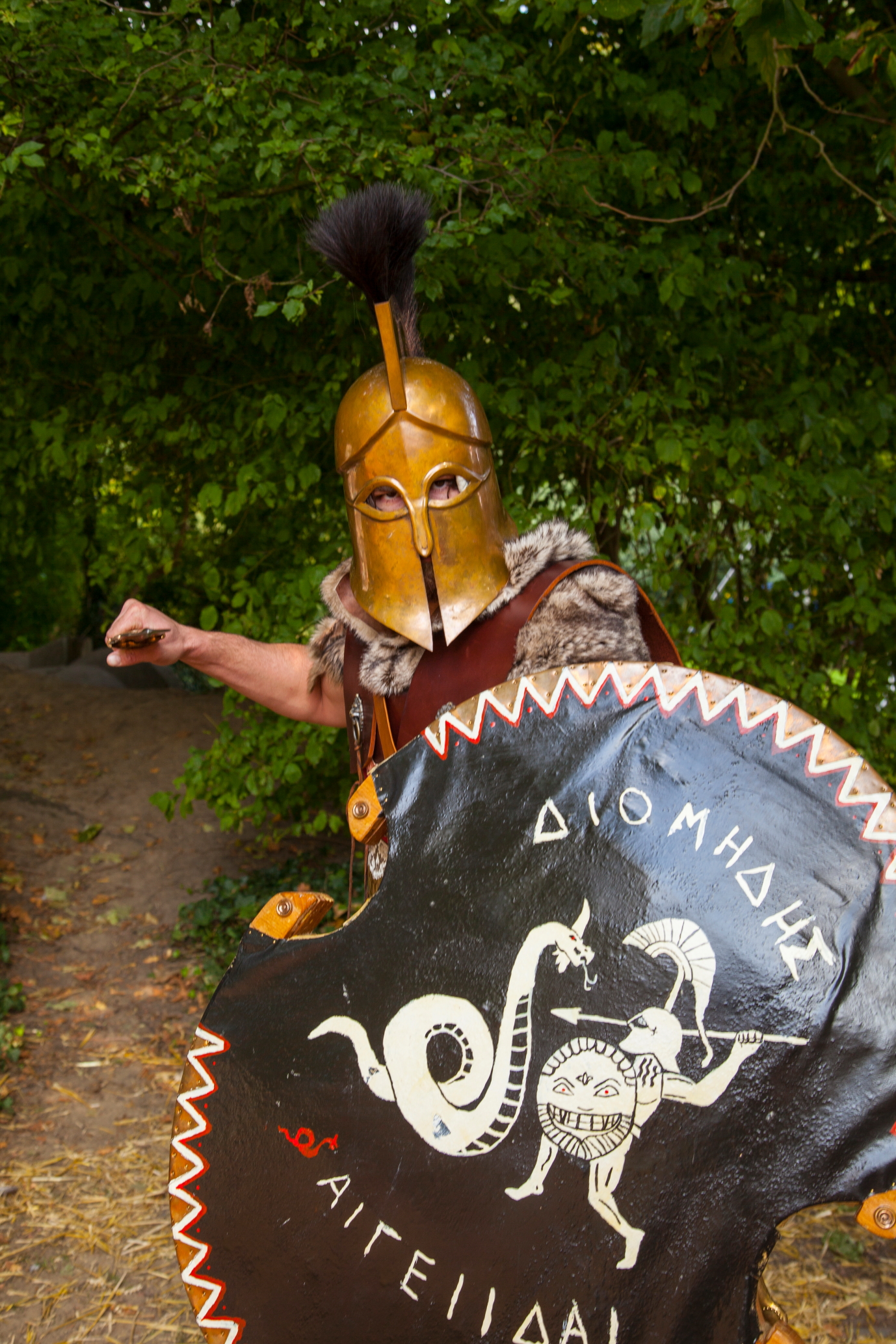
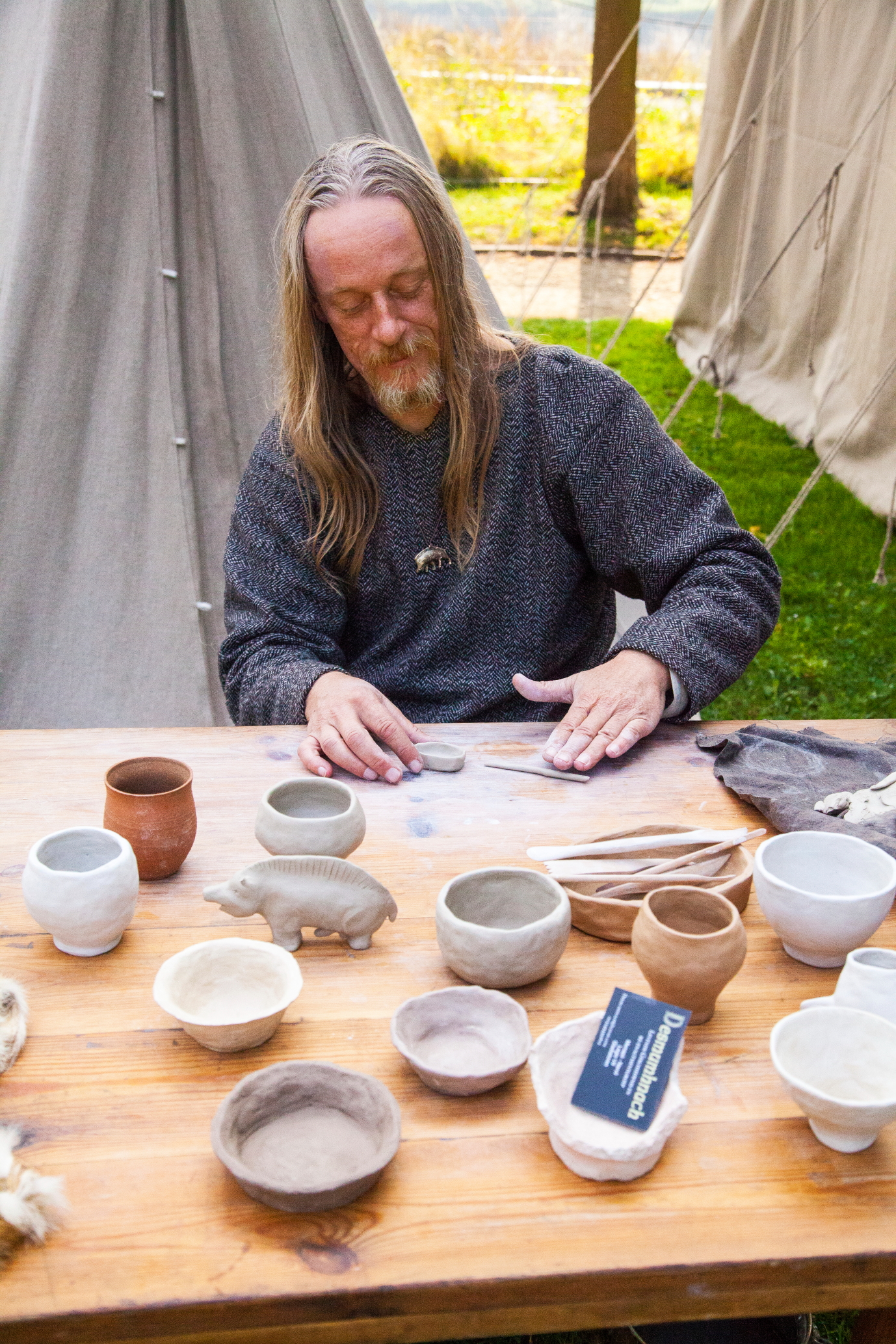

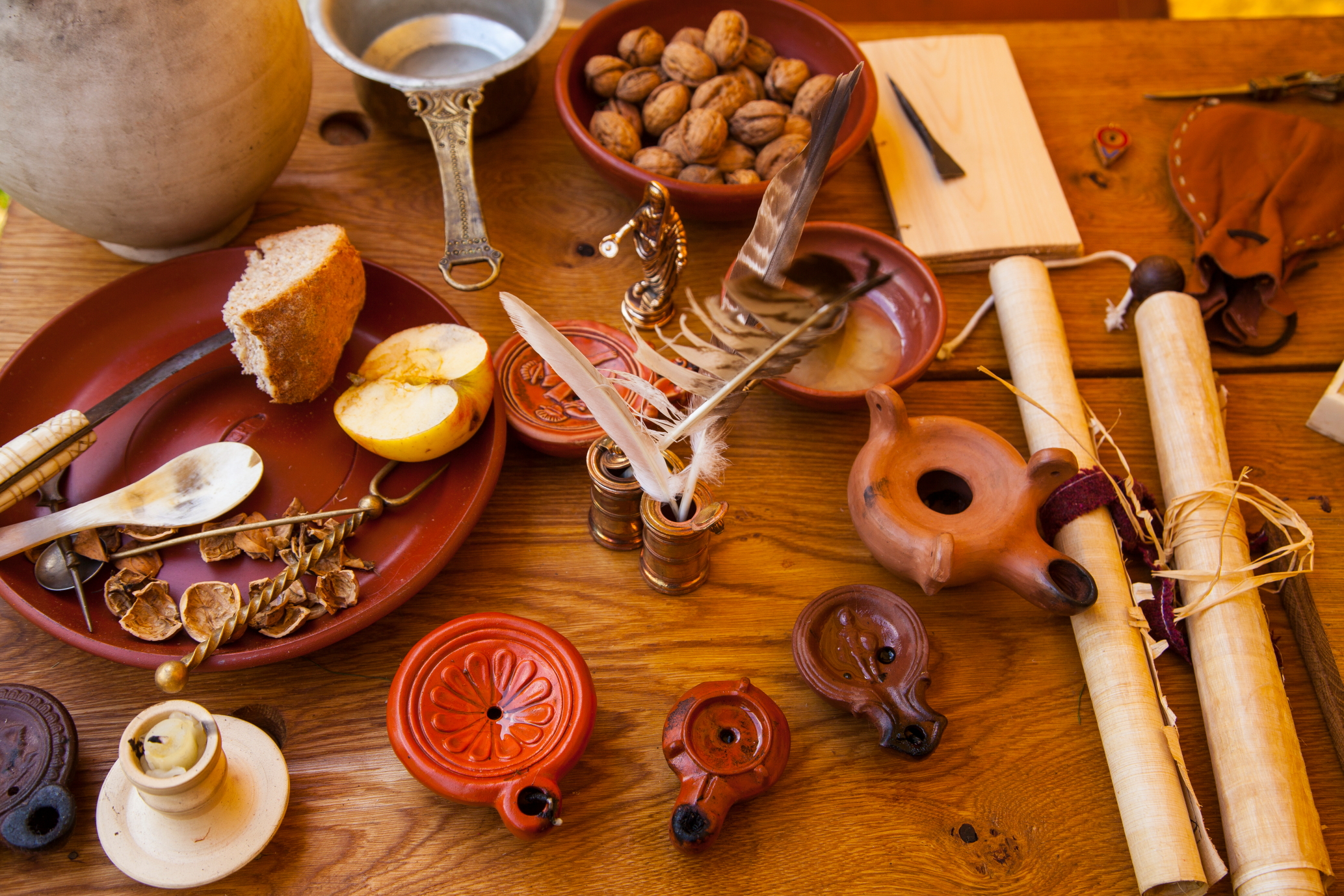
Video
Partners


Sponsors












Info
General Information
From the start it was decided to organise this festival as historically correct as possible. This is also the most important requirement that we set for our participating groups. The setting where the event takes place is therefore divided into two parts. The main area where most groups find shelter and a smaller area with information stands and more alternative approaches.
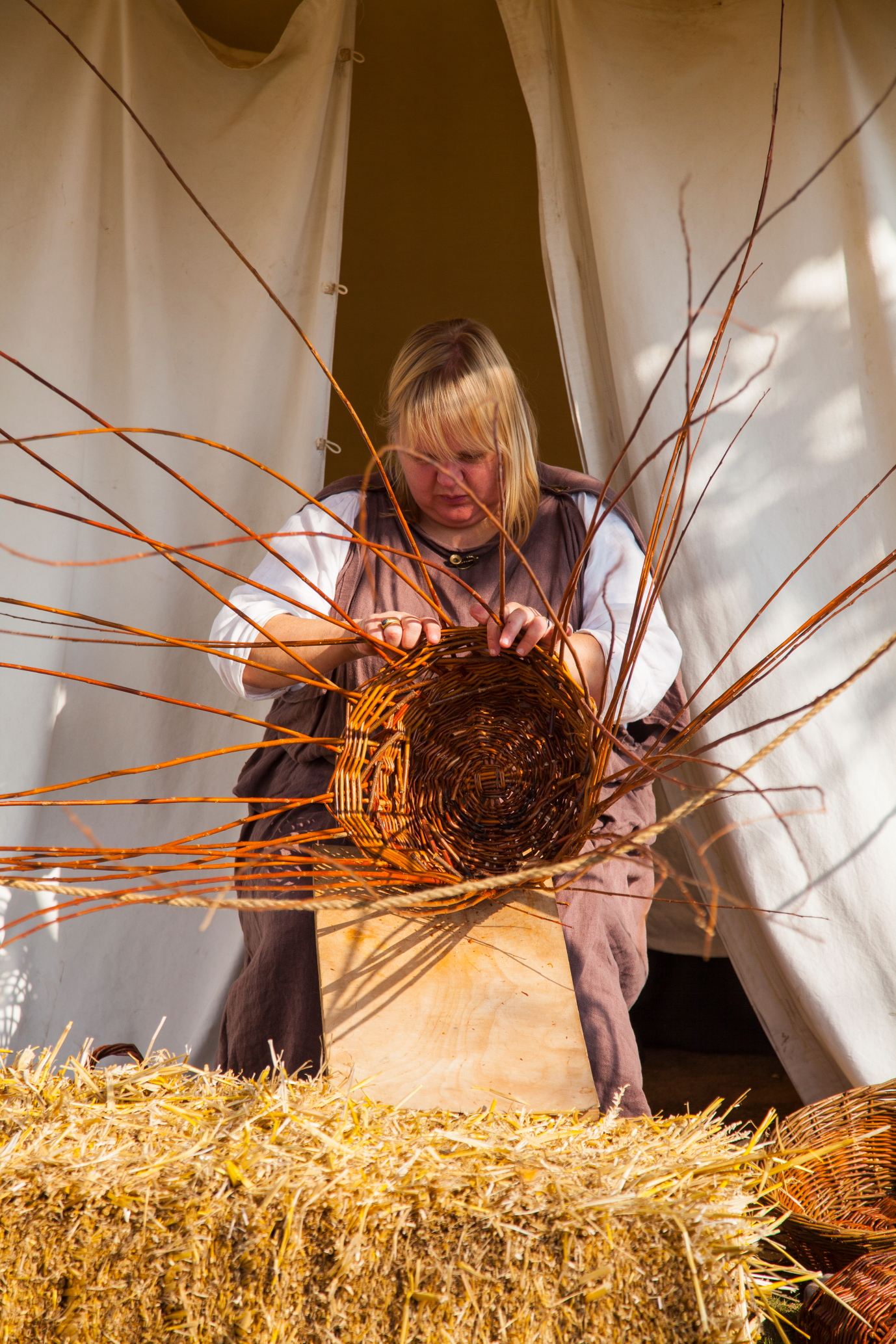
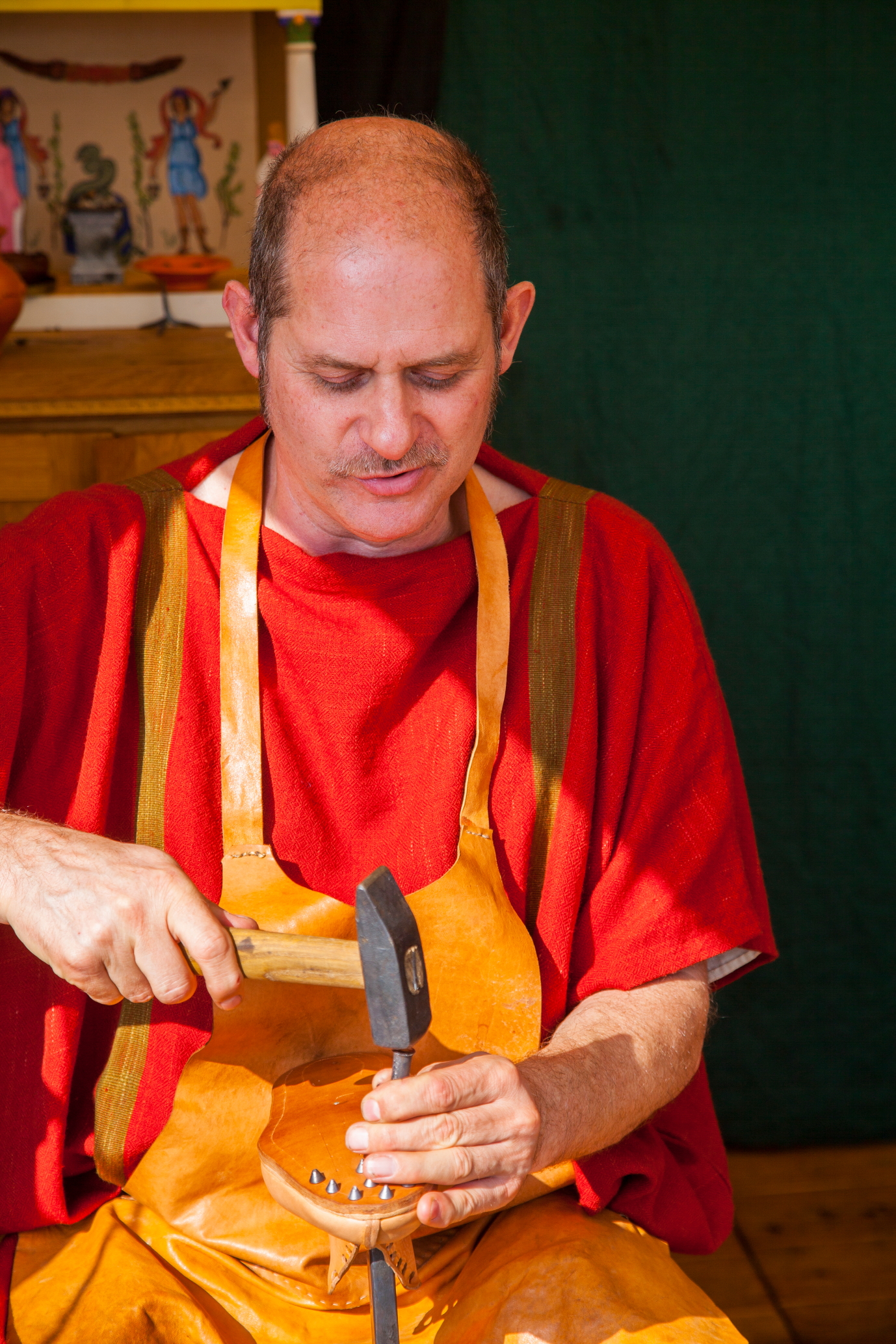
This choice has ensured that the GRW is an educatively responsible event in which the visitor learns a lot about the daily and military life of that period. Our re-enactors are all experts in their specialty. There are the soldiers, but you can get acquainted with shoemakers, basket weavers, blacksmiths, weavers,…
In addition to people interested in history, one-day visitors and families, the GRW can also welcome numerous secondary school students. The latter come in class during the weekend, a non-school day, to get to know that period better. We are visited by schools from all over Flanders and also Wallonia. Our approach being consistent with the national curriculum is proven by the fact that many of those schools have become regular visitors and have adopted this weekend in their yearly calendar.
In the past, many big names from the world of re-enacting have joined us. The Ermine Street Guard (UK), Römer Cohorte Opladen (D), Ave Bagacum (F), les Ambiani (FR), les Enfants de Finn (F) just to name a few. Others, such as the "Roman" Legio XI Claudia Pia Fidelis and the "" Celtic "Deuoxtonion, both originated in Belgium, were created by the GRW, as it were, and were also given the first chance to interact with the general public. Legio XI has since grown into one of the best "Roman" groups in Europe.
Who?
Modestly founded and started in 1996 (in 1996, 1997, 1998 & 1999 it was still an annual event) the GRW has grown into the largest of its kind in the Benelux and Northern France. Until 2017, the GRW was organized by the vzw Viroviacum Romanum (VR) and since 2019 the subsidiary vzw Gallo-Roman Weekend became the organizer. Due to the restrictions regarding the current Covid-19 measures, the event cannot take place in 2021 and will be postponed by one year to 2022. Vzw Gallo-Roman Weekend, however, will continue to organize the event every 2 years to secure the highest quality in what we offer to our audience. VR will in the future focus on workshops, lectures, exhibitions, day trips, the follow-up of archaeological excavations in Wervik…. More information about VR can be found at: www.viroviacum.be.The non-profit organization GRW consists of a group of enthusiastic, unpaid people who are committed to visually reviving the Iron Age and the Roman period. Inspiration and motivation come from the fact that Wervik was a Celtic residence and an important vicus during the Roman period. On the Tabula Peutingeriana, (https://nl.wikipedia.org/wiki/Tabula_Peutingeriana) Tongeren and Wervik are mentioned as the only Flemish cities.
In addition to the daily management, the non-profit organization GRW consists of working groups that take on the various aspects of the overall organization. For example, we are working in seperate groups that take care of the programming, communication, logistics, safety, ….. An appointed head coordinator ensures that everything runs smoothly. People who feel called upon to help, either in one of the working groups or as a volunteer during the GRW, can contact us via info@galloromeinsweekend.be.
Contact us
Do you have any questions, need more information or would you like to register as a volunteer?
Do not hesitate to contact us.